Norweco Singulair Green and Modern Onsite Wastewater Treatment
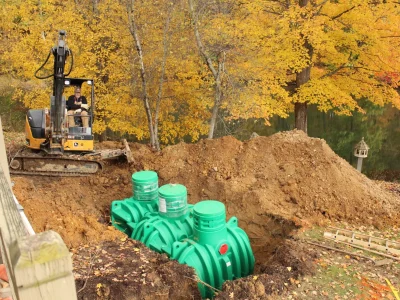
Onsite wastewater treatment rarely gets much attention until a property cannot connect to a municipal sewer, a permit is delayed, or an old septic system starts to fail. Then it becomes one of the most important pieces of infrastructure on the site. For homeowners, builders, engineers, and developers working outside sewered service areas, the conversation has shifted in the past two decades. The old question was whether a conventional septic tank and gravity field would fit. The newer question is whether the site conditions, water use patterns, environmental sensitivities, and permitting standards call for something more advanced.
That is where systems like the norweco singulair green tend to enter the discussion.
The appeal is straightforward. Many projects now face tighter nitrogen limits, smaller lots, shallow soils, high seasonal groundwater, or difficult topography. In those conditions, a standard septic system may be a poor fit even if it technically passes an initial review. Advanced treatment units offer another path, one that focuses on improving effluent quality before disposal or dispersal. When properly selected, installed, and maintained, they can open up sites that would otherwise be problematic and reduce the stress placed on downstream soil treatment areas.
Still, advanced onsite treatment is not a magic box. It demands good design, realistic expectations, and regular service. The technology matters, but the site matters just as much.
Why advanced onsite treatment is no longer a niche decision
The classic septic arrangement remains effective on many rural properties. Wastewater flows into a buried tank, solids settle, scum rises, and partially clarified effluent moves to the drainfield where the soil does the rest of the treatment work. On a large lot with suitable native soils, generous setbacks, and moderate water use, that approach can perform well for years.
But real sites are often less forgiving. I have seen projects where the limiting layer showed up far shallower than the original owner expected, and others where a beautiful house pad left very little room for a compliant primary and reserve drainfield area. Waterfront parcels can be even more demanding. There, regulators often want more treatment up front because what leaves the system may eventually influence a pond, creek, estuary, or well.
Advanced treatment units evolved to address those pressures. They are designed to reduce organic matter and suspended solids more consistently than a septic tank alone, and some configurations can support additional nitrogen reduction strategies depending on the overall system design. The practical benefit is that better quality effluent generally gives the dispersal component a better chance to work well over time.
This is also why conversations about modern onsite treatment should never focus on the tank alone. The pretreatment unit, control system, alarms, pumps, disinfection if required, and final dispersal method all operate as one treatment train. A strong front-end unit paired with a poorly designed drainfield is still a poor wastewater system.
Where the Norweco Singulair Green fits
The norweco singulair green is typically discussed as a residential or light commercial aerobic treatment option within the broader category of advanced onsite wastewater systems. Exact approved uses depend on local jurisdiction, permitted flow, and the design package submitted for the site. That caveat matters because one county may allow a configuration that another county will not.
At a practical level, the system is associated with treatment that goes beyond what a conventional septic tank provides. Aerobic processes introduce oxygen into the treatment environment, supporting microorganisms that break down waste under different conditions than the anaerobic environment inside a standard septic tank. In the field, the performance value of aerobic treatment often shows up in cleaner effluent and a more controlled process, especially on sites where dispersal conditions are constrained.
Homeowners are sometimes surprised by how different the user experience can be. A conventional septic system is mostly passive. If it is designed well and pumped on schedule, it can sit quietly for years. An advanced aerobic unit is more active and more mechanical. There may be compressors, controls, alarms, and service intervals that feel closer to owning a small utility system than a simple buried tank. For some property owners, that is a drawback. For others, especially those trying to build on challenging land, it is the reason the project becomes viable.
How the treatment approach changes the design conversation
Once an advanced treatment system is on the table, the rest of the design often changes with it. Effluent quality affects dispersal options. Better treated effluent may support pressure distribution, shallow placement, drip dispersal, or mound-type approaches, depending on local approvals and site conditions. It does not eliminate the need for good soil evaluation, but it can create flexibility where none existed before.
A small lot near a lake is a good example. On a conventional system, the designer may be working with limited separation distances, tight grading, and a narrow dispersal area squeezed between setbacks. If pretreatment improves the effluent before it reaches the soil, the engineer may have more tools available to protect the site and satisfy permit criteria. That does not mean the lot suddenly becomes easy. It means the design options may become more practical.
This is one reason professionals often stress that the system should be matched to the property, not just the house size. Bedrooms matter because they drive design flow. But occupancy patterns, seasonal use, groundwater behavior, laundry habits, and landscaping plans matter too. I have seen excellent equipment struggle on sites where the homeowner added heavy irrigation over the replacement area, parked trailers over lines, or ignored alarm conditions for weeks.
Performance is about operation, not just equipment
The best advanced treatment systems are still vulnerable to predictable human problems. Excessive grease, wipes, disinfectant overuse, chronic hydraulic overloading, and neglected maintenance can shorten component life or upset treatment performance. Aerobic units in particular need regular attention because they rely on active processes and mechanical parts.
What does proper operation look like in real life? It usually means the owner understands that the system is not a trash can, responds to alarms promptly, keeps service appointments, and avoids large shock loads whenever possible. It also means the installer and service provider do their part. Poor startup, sloppy wiring, bad leveling, incorrect timer settings, and weak documentation can turn a good system into a recurring nuisance.
One of the most useful habits on any advanced onsite system is simply tracking what happens over time. Keep records of pump-outs, service visits, alarm events, filter cleanings, and any repairs. If a pattern develops, such as repeated high-water alarms after holiday gatherings or unusual solids carryover after a rental period, those notes help the service technician diagnose the root cause much faster.
What homeowners should expect before choosing one
People often ask the wrong first question. They ask, “Is the system good?” A better question is, “Is this system a good fit for this site and this owner?”
That distinction matters because advanced onsite systems solve specific problems. They are not automatically the best answer on every property. A large rural tract with deep permeable soils and room for a conventional trench field may not need a more complex treatment train. On the other hand, a narrow lot with poor native soil, strict setbacks, and environmental sensitivity may justify the higher upfront and ongoing commitment of an aerobic system.
Before selection, a homeowner should be ready to understand a few practical realities:
- The system will need scheduled maintenance, not just occasional pumping.
- Mechanical and electrical components may require repair or replacement over the years.
- Utility power matters, and outages can affect treatment depending on system design and duration.
- Water use discipline helps performance, especially during parties, vacations, or short-term rental turnover.
- Local rules may require a service contract, sampling, inspections, or recorded operation permits.
That list is not meant to discourage anyone. It is simply the difference between passive wastewater disposal and managed wastewater treatment. Owners who understand that from day one are usually much happier with the long-term experience.
Installation quality makes or breaks the result
I have watched excellent treatment units get blamed for problems caused by installation shortcuts. Wastewater equipment is not forgiving when grade, wiring, bedding, venting, or control setup is wrong. A tank that is slightly out of level can affect internal flow. Poorly protected wiring can create intermittent alarms that are difficult to trace. Inadequate access around risers can turn simple service into a chore, which often means it gets postponed.
Site drainage around the treatment unit deserves more respect than it often gets. Surface water should be managed so that storm runoff does not pond around lids or infiltrate where it does not belong. Likewise, vehicle traffic over treatment or dispersal components should be prevented unless the design explicitly allows for loading. It sounds basic, but many failures begin with one landscaping or paving decision made after the installer has left.
A good installation team also prepares the owner for what normal operation looks like. Which sounds are expected. What the alarm means. Who to call first. How often service will occur. Where the reserve area is located. If those details are not handed over clearly, the owner is left guessing, and guessing is expensive in wastewater work.
The maintenance reality
Maintenance is the part of advanced treatment that people either embrace or resent. The system does not care which view they take. It still needs service.
Most aerobic treatment systems benefit from periodic professional inspection. The exact interval depends on local regulations, manufacturer guidance, system size, occupancy patterns, and any permit conditions attached to the property. A lightly used vacation home may behave differently from a full-time residence with teenagers, laundry every day, and frequent guests. Short-term rentals introduce another layer of variability because the occupants may use the plumbing hard and know nothing about what is connected to it.
A competent service visit usually goes beyond a quick glance. It may involve checking air delivery, verifying pumps and floats, inspecting controls, assessing sludge and scum levels, cleaning or replacing components as needed, and confirming that effluent appears consistent with expected treatment. If the property includes timed dosing or pressure distribution, those settings need to match the design intent. A system can be technically “running” while still dosing poorly or stressing the drainfield.
One recurring issue in the field is delayed pumping. Owners hear that an advanced treatment unit “processes waste better” and assume solids magically disappear. They do not. Biological treatment reduces and transforms waste, but residual solids still accumulate and must be removed on a proper schedule. Neglect that step long enough and downstream components pay the price.
Cost, and why the cheapest number is often misleading
Cost comparisons become messy because people tend to compare only installation bids. That is almost never a fair way to evaluate wastewater options.
A conventional septic system may carry a lower upfront cost where soils and setbacks cooperate. An advanced treatment system such as the norweco singulair green can cost more at installation because it includes more equipment, controls, electrical work, and often a more involved dispersal layout. Then there are recurring costs, including service, pumping, and eventual replacement of mechanical components.
But the cheaper bid is not always the lower-cost decision over the life of the property. If a marginal conventional design struggles from year three onward, surfacing effluent, repeated field repairs, and permit problems can wipe out the original savings quickly. Conversely, an advanced system that is overkill for a very simple site may burden the owner with unnecessary complexity.
This is where experienced judgment matters. The right question is not “What is the lowest initial price?” It is “What system gives this site the best chance of reliable, compliant service over the next twenty years?” That answer depends on conditions underground, not marketing language.
Environmental value, with a realistic lens
Modern onsite treatment earns attention because it can reduce the pollutant load reaching the soil dispersal area and, by extension, nearby water resources when the full system is designed and maintained correctly. Cleaner effluent can support better long-term field performance and lower the stress on constrained sites. In watersheds with nutrient concerns, advanced treatment may also be part of a broader strategy to meet local environmental goals.
Still, it helps to be precise. No treatment unit should be treated as an environmental virtue by default. Performance depends on design, operation, maintenance, and owner behavior. A neglected advanced system can underperform just as surely as a neglected conventional one. The environmental benefit comes from sustained treatment, not from the nameplate on the lid.
I have found that the best owners are the ones who see the system as infrastructure. They maintain the roof, the HVAC, and the well equipment. They treat wastewater the same way. When that mindset is in place, advanced onsite treatment usually performs as intended for much longer.
Common misunderstandings that cause trouble
A few misconceptions show up again and again in this part of the industry. One is that “flushable” products are acceptable because the package says so. Many are not a good idea for onsite systems of any type. Another is that occasional alarms can be ignored if fixtures still drain. By the time drainage backs up in the house, the problem is often much larger than it was when the alarm first sounded.
There is also a persistent belief that advanced treatment means the drainfield no longer matters. In reality, the dispersal area remains critical. Even very good pretreatment does not turn the soil component into an afterthought. Reserve area protection, root control, stormwater management, and hydraulic loading still matter.
Finally, some owners assume that a vacant house does not need attention. Seasonal occupancy can actually create its own issues, particularly if startup and shutdown patterns are abrupt or if the property experiences power interruptions, freezing risks, or long periods without consistent wastewater flow.
Who should seriously consider a Norweco Singulair Green type of system
Advanced aerobic treatment tends to make the most sense when site limitations or regulatory requirements push a property beyond the comfort zone of a simple septic design. That may include waterfront lots, small parcels, difficult soils, shallow restrictive layers, high groundwater conditions, major renovations that increase design flow, or jurisdictions that expect higher treatment levels excavatingnj.com norweco singulair green for approval.
It can also be a strong choice for owners who are comfortable with managed infrastructure. Some people do not mind service contracts, monitoring, and periodic equipment replacement if it means they can build on land that would otherwise be difficult to use. Others would rather simplify wherever possible. Neither view is wrong, but the system should match the owner’s tolerance for involvement.
For builders and developers, the advantage is often predictability. On constrained sites, an advanced treatment option may reduce uncertainty during design and permitting, provided the local reviewing authority recognizes the system and the engineer builds the right treatment train around it.
The practical path to a good decision
Choosing an onsite wastewater system should start in the field, not in a brochure. Soil evaluation, groundwater observations where required, topographic review, and a realistic estimate of design flow come first. After that, the conversation about treatment technology becomes much more useful.
If you are evaluating the norweco singulair green, ask detailed questions about local approvals, expected maintenance, alarm handling, power requirements, pumping intervals, and how the unit integrates with the proposed dispersal method. Ask who will service it after installation and how quickly they respond when a problem arises. Ask where replacement area is protected on the site plan. Those answers matter more than polished product language.
The strongest projects usually share the same traits. The designer understands the site. The installer follows the plan. The service provider stays involved. The owner knows what they are responsible for. When those four pieces line up, modern onsite wastewater treatment does exactly what it should do, quietly protect the property and the environment while the rest of the house gets the attention.
Excavating New Jersey LLC
406 County Rd 565, Wantage, NJ 07461, United States
+1 973-791-4284
FAQ About norweco singulair green
How much does a NORWECO septic system cost?
The installed cost depends on the selected unit, engineering, site access, excavation, electrical work, disposal-field design and required approvals. A tank-only price is not a complete installation quote. Ask Excavating New Jersey LLC for a site-specific, itemized estimate that also explains ongoing service costs.
How does a Norweco septic system work?
The Singulair Green uses pretreatment, aeration, clarification and filtration to treat domestic wastewater. In the aeration chamber, oxygen supports bacteria that break down organic material. The Bio-Kinetic unit provides further filtration and flow equalization. Final effluent disposal must follow the property's approved design and applicable requirements.
What is the average lifespan of a septic system?
There is no guaranteed lifespan for every system. Design, installation, soil conditions, wastewater loading and regular maintenance all matter, and mechanical parts may need replacement before the tank. For a Singulair Green system, follow the manufacturer's service schedule and have a qualified provider assess its condition and pumping needs.